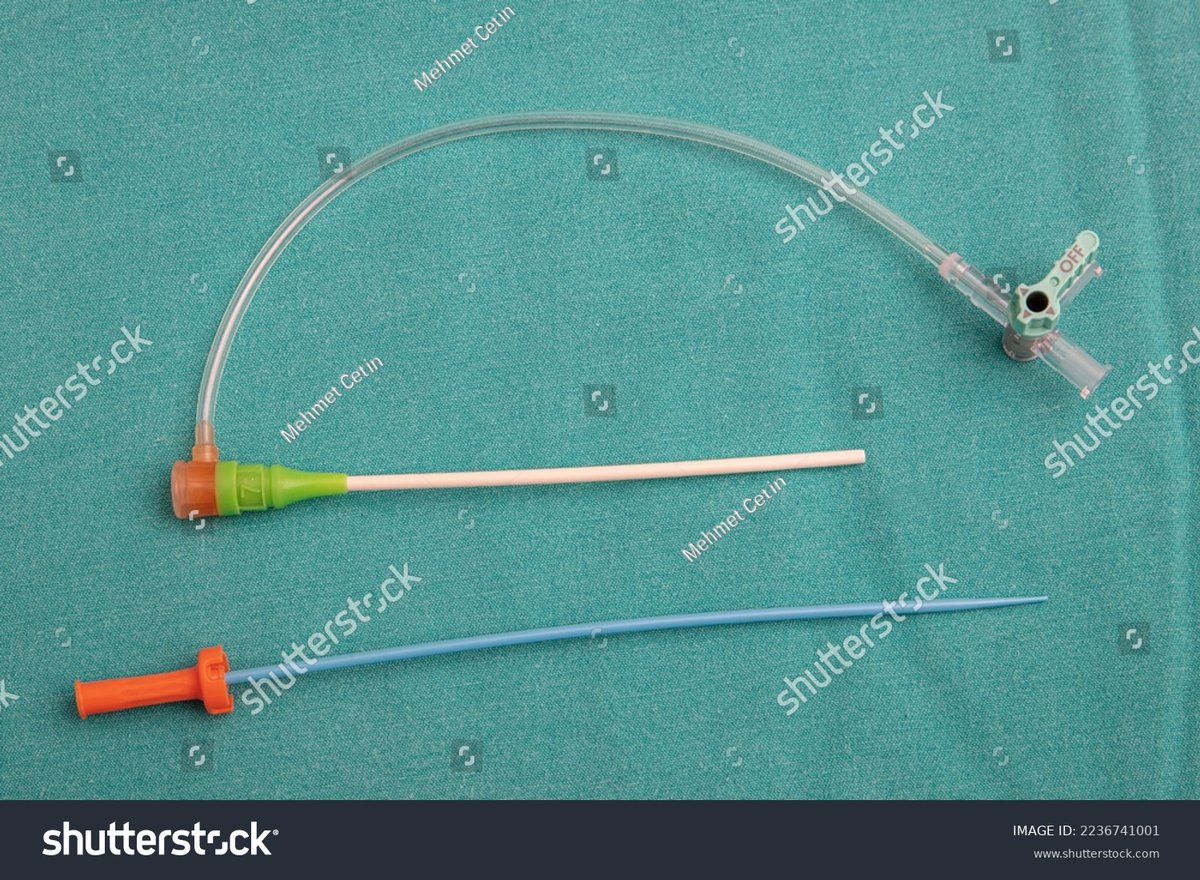
Catheter sheath irrigation is a fundamental medical procedure that plays a critical role in patient care, ensuring the continued patency and functionality of urinary catheters while significantly reducing the risk of complications. Far from being a mere routine, understanding the intricate catheter sheath irrigation schematics involves a meticulous blend of policy adherence, sterile technique, and a profound appreciation for patient well-being. This comprehensive hub will guide you through every essential aspect, from the foundational principles to the detailed execution, ensuring that you can approach this vital task with confidence and competence.
The Lifesaving Purpose of Catheter Sheath Irrigation
At its core, catheter sheath irrigation is about maintaining patient safety and comfort. Catheters, while essential medical devices, can become blocked by sediment, blood clots, or mucus, leading to discomfort, pain, and potentially serious infections. Proper irrigation flushes the catheter, preventing blockages and ensuring the continuous flow of urine, thereby safeguarding the patient's urinary system. It's a proactive measure that underscores the importance of skilled nursing care and a thorough understanding of medical device interactions. To grasp the fundamental principles behind these crucial interventions, we invite you to Learn medical irrigation principles Explore medical that govern effective fluid management in healthcare.
Laying the Groundwork: Policy, Preparation, and Patient-Centered Care
Successful catheter irrigation begins long before the first drop of solution is instilled. It's built upon a foundation of strict adherence to medical protocols, careful preparation, and clear communication with the patient.
Non-Negotiable: The Physician's Order
A physician's order is not just a formality; it is the absolute mandate for performing catheter irrigation. This order must explicitly detail the type of solution to be used (e.g., sterile saline), the precise amount, the frequency of irrigation, and the specific reason it is needed. This ensures the procedure is tailored to the patient's individual needs and medical condition, minimizing risks and maximizing effectiveness. Always verify this order thoroughly before proceeding.
Preparing for a Sterile and Respectful Procedure
Maintaining a sterile field is paramount to prevent the introduction of bacteria into the urinary tract, which could lead to severe infections. Before you even touch the equipment, explain the procedure to the patient in clear, empathetic language, ensuring they understand what will happen and why it's necessary. Provide ample privacy, gathering all necessary equipment beforehand to ensure a smooth, uninterrupted process. Understanding how different components connect and function within the system is key to this preparation, so take a moment to Explore Catheter Irrigation Schematics for a deeper dive into the system's architecture.
Understanding Your Tools: Essential Equipment for Irrigation
Having the correct equipment, and knowing how to use it, is critical for safe and effective irrigation. Each item plays a specific role in maintaining sterility and ensuring the procedure is performed accurately.
The standard setup includes a sterile irrigation set (typically a syringe and tubing), the prescribed sterile irrigation solution (such as 50 ml of saline for a Foley catheter), alcohol swabs for disinfection, sterile gloves to maintain asepsis, a sterile drape to establish a sterile field, and sterile caps for protecting the catheter and tubing ends. Familiarity with the specific characteristics of different catheters is also essential; for a detailed look at their construction and function, consider exploring Catheter Sheath Types and Design. Understanding these foundational elements is crucial before interpreting any technical drawings, making it highly beneficial to review methods for Interpreting Medical Device Schematics for proper device operation.
Step-by-Step Excellence: Performing the Irrigation Procedure
Once prepared, the procedure itself demands meticulous attention to detail and adherence to sterile technique at every step.
- Perform Hand Hygiene: Begin by thoroughly washing your hands with soap and water or using an alcohol-based hand sanitizer.
- Establish Sterile Field: Carefully open the irrigation set and other equipment onto a clean, sterile surface.
- Apply Sterile Gloves: Don sterile gloves to maintain asepsis throughout the procedure.
- Disconnect Drainage Tubing: Gently disconnect the drainage tubing from the urinary catheter.
- Disinfect and Cap Ends: Wipe the exposed ends of both the catheter and the drainage tubing with an alcohol swab, then immediately cover them with sterile caps to prevent contamination.
- Draw Solution: Draw the prescribed amount of sterile irrigation solution into the sterile syringe.
- Instill Solution: Attach the syringe to the catheter and gently instill the solution as ordered by the physician (e.g., 50 ml). Never force the solution if resistance is met.
- Remove Syringe: Detach the syringe from the catheter.
- Reconnect Drainage Tubing: Remove the sterile caps and carefully reconnect the drainage tubing to the catheter.
- Allow Gravity Drainage: Allow the instilled solution to flow back into the drainage bag by gravity, or into a separate drainage tray if specified.
- Remove and Discard Gloves: Properly remove and dispose of your gloves.
- Perform Hand Hygiene: Conclude by performing hand hygiene again.
Mastering these hands-on steps is crucial for optimal patient outcomes. For a more detailed guide on practical application, you'll find immense value in learning about Proper Catheter Sheath Setup.
Beyond the Procedure: Documentation and Vigilance Against UTIs
The care doesn't end when the irrigation is complete. Accurate documentation and ongoing patient education are vital for continuous quality care and preventing complications.
Accurate Documentation: A Crucial Record of Care
Detailed documentation of the irrigation procedure is non-negotiable. In the treatment record, log the date, time, the specific solution used, the exact amount instilled, and any observations made during the process. Crucially, describe the color and consistency of the returns in the Nurses' Notes. Always document any adverse reactions or complications, such as pain, bleeding, or inability to instill/withdraw fluid, and notify the physician immediately if necessary. This meticulous record-keeping ensures continuity of care and provides vital information for future medical decisions.
Empowering Patients: Understanding and Preventing UTIs
Patients, particularly those with long-term catheters, are at increased risk for Urinary Tract Infections (UTIs). Many patients may not be able to perform self-irrigation due to the procedure's complexity or poor manual dexterity, making skilled nursing care indispensable. Providing comprehensive patient education on UTIs is a critical component of care.
- Definition: UTIs develop when bacteria enter the urinary tract and begin to multiply.
- Types: Common types include cystitis (an infection of the bladder) and urethritis (an infection of the urethra).
- Prevalence: UTIs are alarmingly common, ranking as the second most frequent type of infection in the human body.
- Symptoms: Patients should be aware of symptoms such as burning or pain during urination, a frequent and urgent need to urinate, pressure in the lower belly, foul-smelling urine, back pain below the ribs, unusual tiredness or shakiness, fever, and urine that appears reddish or cloudy.
- Risk Factors: While UTIs can affect anyone, they are more prevalent in women than men and can impact individuals of all ages.
By understanding these insights, patients can become active participants in their own care, recognizing potential issues early and seeking timely medical attention.
Mastering catheter sheath irrigation schematics is more than just following steps; it's about embracing a holistic approach to patient care that prioritizes safety, sterile technique, and continuous vigilance. As healthcare evolves, so too must our commitment to understanding the nuances of medical procedures and empowering both caregivers and patients with knowledge. Through diligent practice, thorough understanding, and a human-first perspective, we can ensure the best possible outcomes for those entrusted to our care.